In Langhirano, at the heart of one of the most agricultural areas in the province of Parma, the Istituto Scolastico "Carlo Emilio Gadda" has launched an innovative project: a hydroponic greenhouse built inside a recycled shipping container, purchased with PNRR funds from the startup Demetra and transformed into a living laboratory for students across all programmes — including those with disabilities[cite: 1].
From an Agricultural Dream to a Container Greenhouse
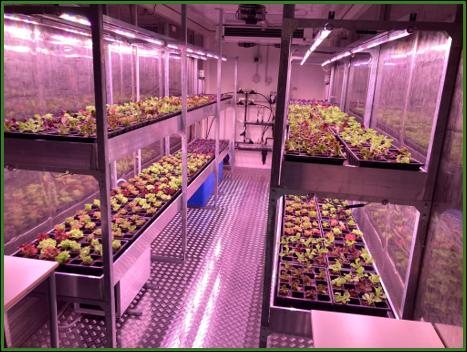
The story begins with an unfulfilled ambition. The school had wanted to open an agricultural studies programme — a natural fit in a territory deeply rooted in farming, famous for Parma Ham and surrounded by agricultural businesses — but territorial and inter-school dynamics made it impossible[cite: 1]. Instead, the school opened a science-focused high school with a chemistry and biology specialisation.
That agricultural vocation, however, was not entirely lost. Using PNRR funding, the school purchased a hydroponic greenhouse from Demetra, a startup specialising in the recovery of decommissioned shipping containers that would otherwise be scrapped. The concept is as simple as it is effective: repurposing industrial structures into controlled growing environments, reducing waste and opening new possibilities for those wishing to engage with urban and sustainable farming.
How the Greenhouse Works
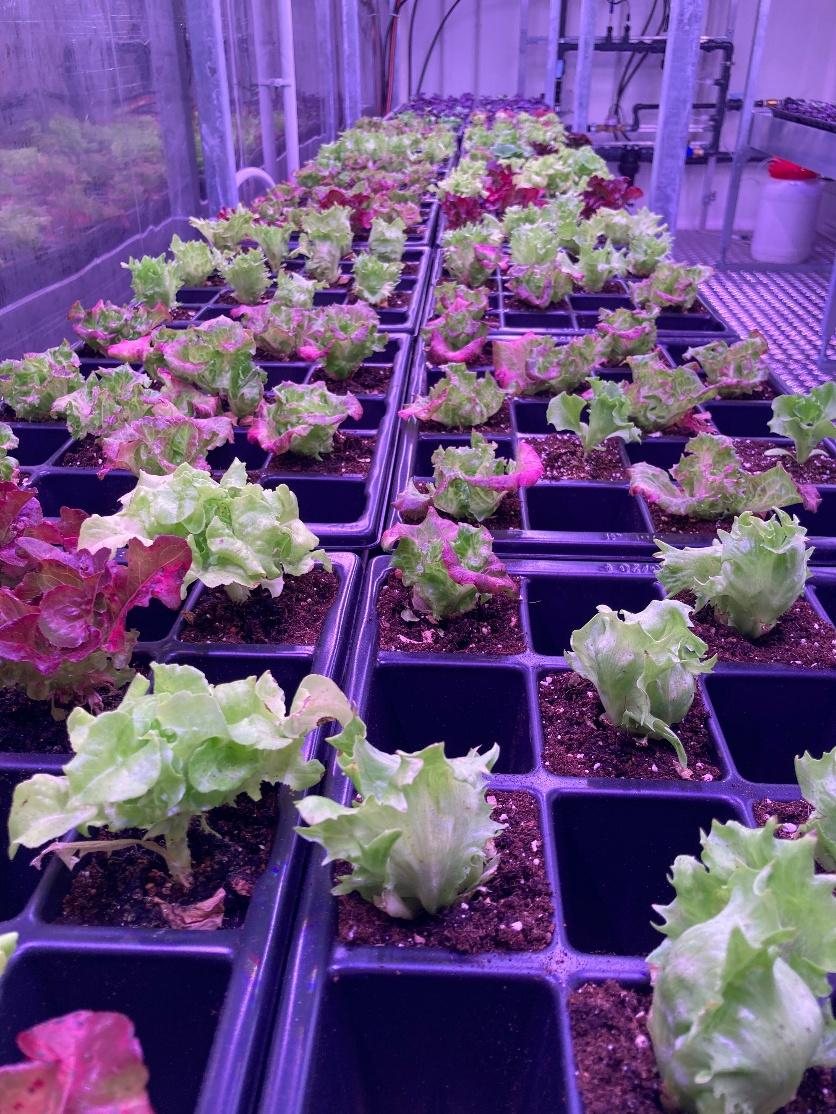
With characteristic technical precision, Professor Andrea Forni is keen to draw an important distinction: theirs is not a true hydroponic greenhouse in the strict sense. In classic hydroponics, roots are submerged directly in water; here, plants grow in a substrate of peat and perlite — a natural material resembling polystyrene that makes the growing medium more permeable and aerated.
What brings it close to hydroponics is the irrigation system: four large troughs are flooded in cycles, the water is absorbed by the substrate and then collected in a central tank to be reused. Mineral fertilisers and an acid solution — to lower the pH, which is too alkaline for most cultivated plants — are added to the water. An automated system continuously monitors electrical conductivity and pH, dosing nutrients with precision.
"The system automatically draws fertiliser and acid based on the values we set. If the tanks run dry, the irrigation stops and the plants suffer within hours."
Maintenance is therefore essential: filters must be cleaned regularly, tanks kept full, and at least once a week someone needs to do a check-up round.
Inclusion: the Greenhouse as a Therapeutic Space
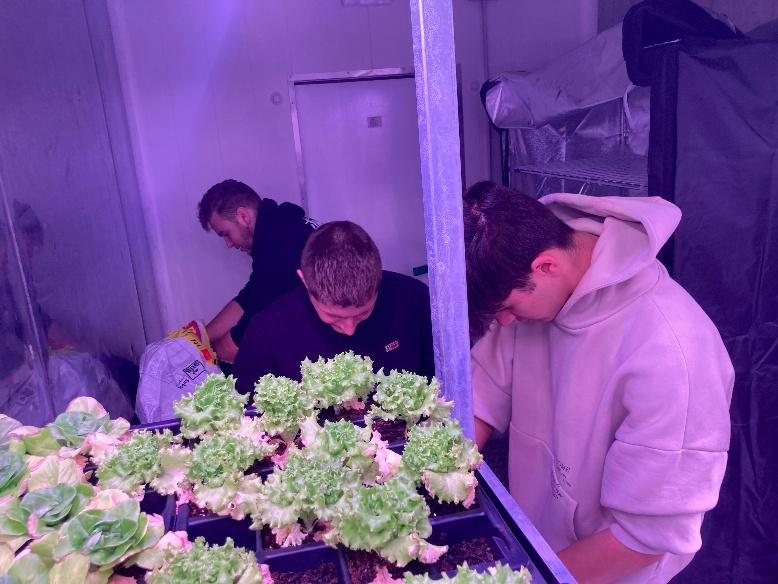
One of the most significant aspects of the project is its use with students with disabilities. Forni, as a support teacher, accompanies students in their greenhouse activities. Designed for small groups — the limited space does not allow for full classes — these sessions cover the different stages of cultivation: from preparing the substrate, to sowing, to transplanting. Each phase requires a different level of fine motor skill, making it possible to involve students with very different abilities.
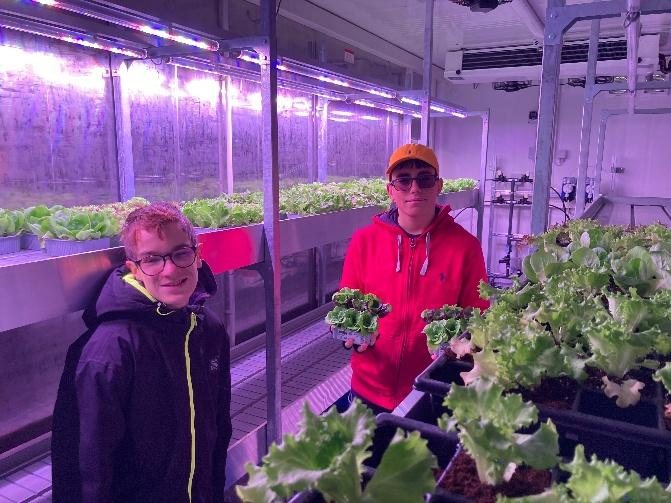
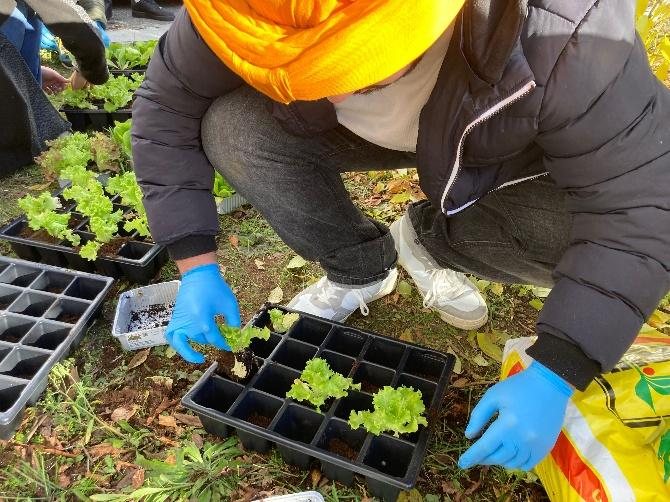
"Some mix the peat with the perlite, some fill the small pots, some do the transplanting. There are tasks that require fine motor skills and others that don't — so we always manage to find a role for everyone."
The response from students has been enthusiastic. Many spontaneously ask when they will next visit the greenhouse. Watching a seedling grow week after week, in a controlled environment where changes are visible and measurable, creates a genuine sense of responsibility and accomplishment.
"In nature you barely notice change. In the greenhouse you see it straight away. And the students with disabilities love that."
Continuous Experimentation
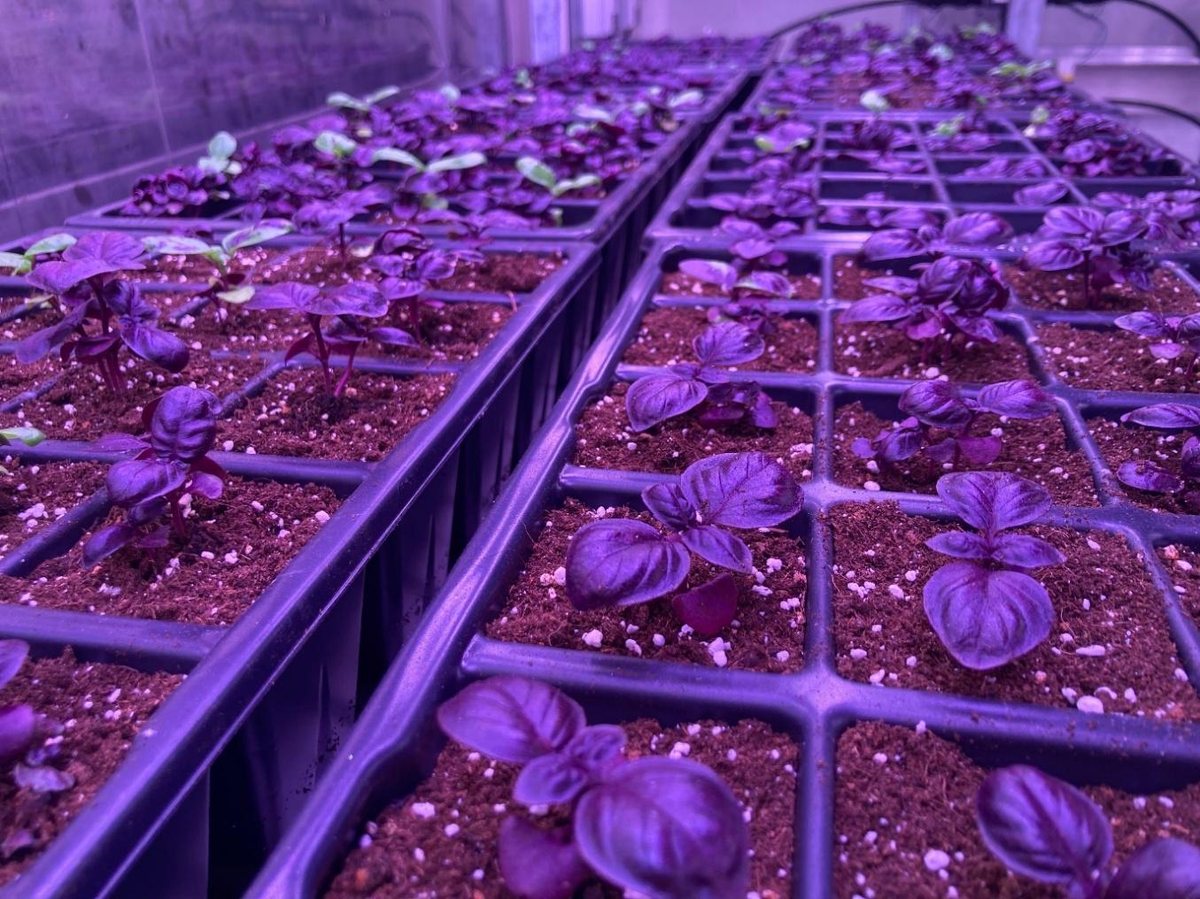
Basil has become the school's speciality. It is grown successfully and has already attracted requests from external partners: a hotel and catering school in Salsomaggiore, and a collaboration with the ENAIP vocational training centre. The problem? The absence of HACCP certification prevents the official sale or transfer of any produce, limiting the greenhouse to purely scientific and educational purposes. Obtaining this certification could become the project's next goal.
There is no shortage of more adventurous experiments, however. At the request of various teachers, the team has tried growing flowers (with mixed results, due to temperatures too high for the plants' optimum), plants destined for outdoor transplanting, and even pumpkins — the latter with a success that nobody had anticipated.
"In two weeks, it had taken over an entire section of the greenhouse. The roots were creeping out of the pots and invading the others. It was incredible."
The pumpkin was subsequently transplanted outside with encouraging results, unlike other plants that — accustomed to the greenhouse's optimal conditions, free from temperature swings and direct sunlight — did not survive the transition to the open air.
A Good Practice Worth Replicating
The Langhirano experience has been identified by the European HortiClime project as an example of good practice in sustainable horticulture applied to education. This comes as no surprise: in a territory with a strong agricultural vocation, the greenhouse serves as a bridge between the school and the local productive world, a laboratory accessible across all study programmes — from the science high school to technical maintenance — and a powerful tool for inclusion.
Challenges remain, of course: ongoing management demands consistency, certification for commercialisation is still pending, and every new crop is a gamble. But it is precisely this experimental dimension — "we are learning too", Forni candidly admits — that makes the project authentic and genuinely replicable.
The interview was conducted by Valentina Ingrande, Project Coordinator from CISITA Parma, as part of the European Horticlime project – KA220-VET-000351607.